In the realm of high-end landscape architecture, few names carry as much weight as Mahogany. Often associated with fine cabinetry and historic estate furniture, the living mahogany tree is equally prestigious in the outdoor environment. For a landscape professional, specifying a Mahogany isn’t just about planting a tree; it’s about installing a multi-generational legacy. These trees provide a rare combination of structural “cleanliness,” dense shade, and an undeniable aura of tropical luxury.
Why is the West Indian Mahogany the Gold Standard for Florida?
While there are several species within the Swietenia genus, the West Indian Mahogany (Swietenia mahagoni) is the quintessential choice for South Florida and Caribbean-style landscapes. It is a native powerhouse that manages to look formal and “civilized” while possessing the ruggedness of a wild forest species.
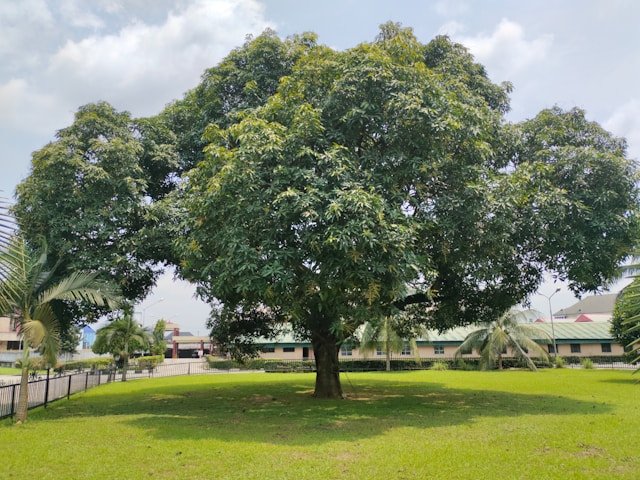
From a design perspective, the Mahogany offers a symmetrical, rounded crown that provides deep, consistent shade. Unlike many other fast-growing tropical trees that develop brittle wood, the Mahogany produces incredibly dense, strong timber. This makes it one of the most wind-resistant shade trees available, a critical factor for any professional master plan in hurricane-prone regions.
How Can Mahogany Trees Improve Property Microclimates?
A mature Mahogany acts as a natural air conditioner for a residence. Due to its expansive canopy and high rate of transpiration, it can significantly lower the ambient temperature of the ground below it.
- Strategic Shading: Positioning a Mahogany on the western side of a property can reduce solar heat gain on building facades, lowering cooling costs during the peak of summer.
- Wind Buffering: Because of their structural strength, they serve as excellent anchors in a windbreak, protecting more delicate ornamental plants from the brunt of coastal gusts.
- Carbon Sequestration: Mahogany is a slow-to-moderate grower compared to “soft” tropicals, meaning it stores carbon more effectively in its dense wood, making it a sustainable choice for eco-conscious developments.
What Should You Consider Before Planting a Mahogany?
As a professional copywriter and landscape enthusiast, I often advise that “space is the greatest luxury.” This is especially true for the Mahogany.
Does the Mahogany Tree Have Invasive Roots?
While not “invasive” in the sense of spreading uncontrollably, Mahogany trees have powerful lateral roots. In professional installations, we recommend a minimum setback of 15 to 20 feet from sidewalks, driveways, and foundations. If you are working within a tighter urban footprint, utilizing root barriers is a sophisticated way to enjoy the canopy without risking hardscape damage.
What is the “Mahogany Webworm”?
Occasionally, these trees can be visited by the mahogany webworm, which may defoliate portions of the tree. However, a healthy, well-sited Mahogany will typically flush out new leaves within weeks. To minimize these issues, it is vital to start with superior stock. Sourcing your mahogany tree from a specialist like Treeworld Wholesale ensures the specimen has been raised with a strong central leader and a robust immune system, giving it the best possible start in its permanent home.
Achieving the “Estate Look” with Specimen Planting
In large-scale residential design, the Mahogany is frequently used to create “allées”—stately rows of trees lining a driveway or a long pedestrian path. The uniformity of the Swietenia canopy creates a rhythmic, architectural tunnel effect that is synonymous with old-world Florida elegance.
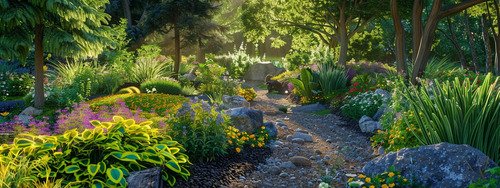
When designing the understory for a Mahogany, choose shade-tolerant species that can handle the “leaf drop” that occurs in late spring. Combining the dark, furrowed bark of the Mahogany with the soft textures of Wild Coffee or Coontie creates a sophisticated, multi-layered native habitat.
A Timeless Investment
The decision to plant a Mahogany is a commitment to the future. It is a tree that gains character with age, its bark becoming more deeply fissured and its canopy more majestic with every passing decade. By selecting a high-quality specimen and providing it with the space it deserves, you are creating a landmark feature that will provide shade, beauty, and structural integrity for generations to come. Always ensure the soil is well-draining, as this noble species prefers to keep its “feet” out of standing water to maintain its legendary wood density.
About the Author